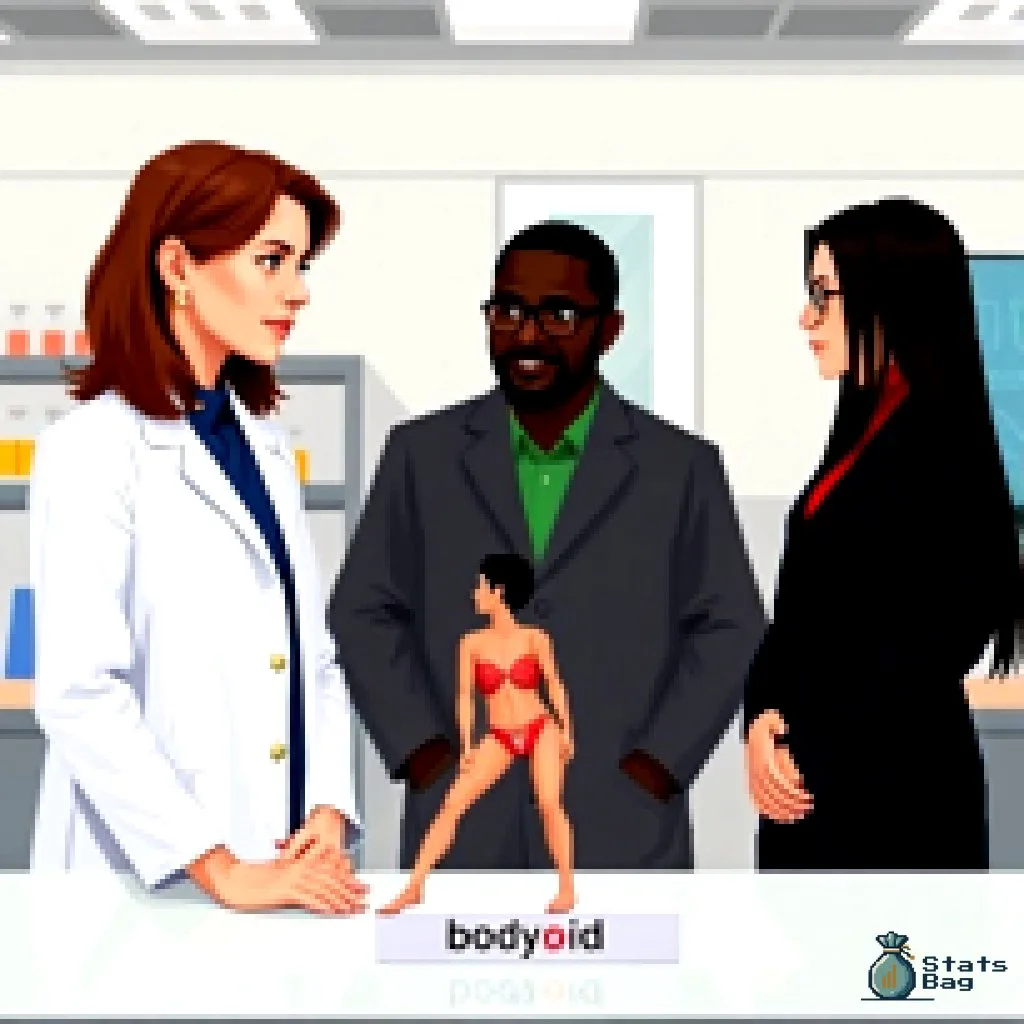
The severe shortage of ethically sourced human bodies poses a significant challenge in medicine. Over 100,000 patients in the US are currently waiting for a solid organ transplant. This scarcity also drives reliance on animal testing, which often fails to accurately replicate human physiology. Clinical trials, necessary for drug approval, have a success rate of less than 15% and can last over a decade. Recent biotechnology advances suggest a potential solution: “bodyoids.” These are living human bodies developed from pluripotent stem cells, lacking neural components for consciousness or pain. Bodyoids could provide an almost unlimited source of organs, tissues, and cells for transplantation. They might also enable personalized drug screening and eliminate the need for lifelong immunosuppression by using a patient’s own cells. While the concept faces technical and ethical hurdles, it promises to revolutionize medical research and reduce animal testing.
To provide the best experiences, we use technologies like cookies to store and/or access device information. Consenting to these technologies will allow us to process data such as browsing behavior or unique IDs on this site. Not consenting or withdrawing consent, may adversely affect certain features and functions.
Functional
Always active
The technical storage or access is strictly necessary for the legitimate purpose of enabling the use of a specific service explicitly requested by the subscriber or user, or for the sole purpose of carrying out the transmission of a communication over an electronic communications network.
Preferences
The technical storage or access is necessary for the legitimate purpose of storing preferences that are not requested by the subscriber or user.
Statistics
The technical storage or access that is used exclusively for statistical purposes.The technical storage or access that is used exclusively for anonymous statistical purposes. Without a subpoena, voluntary compliance on the part of your Internet Service Provider, or additional records from a third party, information stored or retrieved for this purpose alone cannot usually be used to identify you.
Marketing
The technical storage or access is required to create user profiles to send advertising, or to track the user on a website or across several websites for similar marketing purposes.