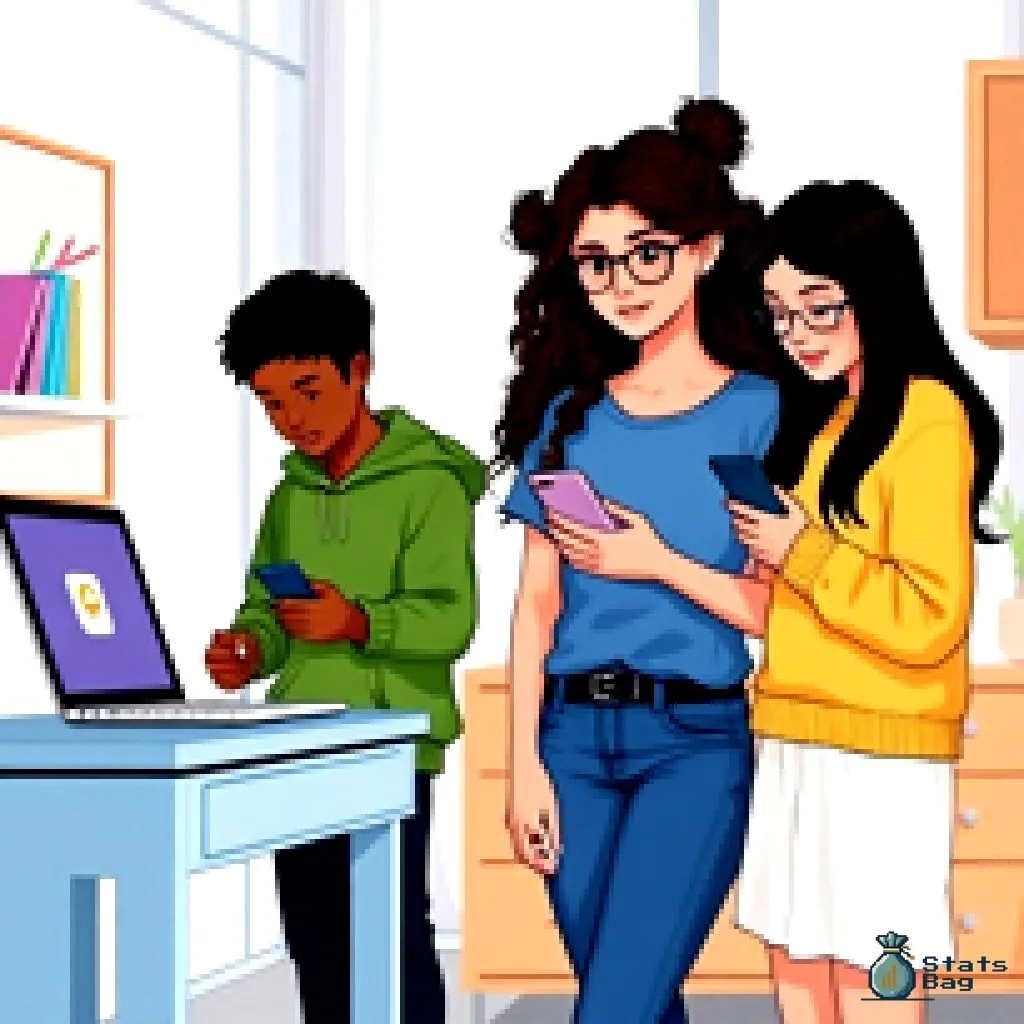
A new mental health journaling app, Mirror, developed by the Child Mind Institute in partnership with the California Department of Healthcare Services, is now available for teens. The app, which is free and offered in English and Spanish, helps users track their daily moods and engage in self-reflection through various entry formats like voice, image, text, or video. Mirror is designed to enhance emotional processing and is not intended to replace therapy but to empower youth in managing their mental health. In 2024, Woebot Health, another player in the mental health sector, partnered with Akron Children’s Hospital to provide AI-powered mental health support to adolescents aged 13 to 17. That year, Momentum also launched a free digital mental health program in Australia for youths aged 7 to 17, focusing on personalized sessions without AI. In 2022, DotCom Therapy acquired Wolf+Friends, expanding its support for parents of children with special needs and mental health issues.
Kite & Key Media
@kiteandkeymedia
·
Jan 8 The bad news: More Americans than ever seem to be struggling with their mental health.
The good news: As our new video explains, research suggests most of us are more resilient than we give ourselves credit for.
JoyNews
@JoyNewsOnTV
·
20h Mental Health Reporting: Media urged to improve accuracy and reduce stigma in Mental Health Coverage.
#JoyNews
World Health Organization (WHO)
@WHO
·
Mar 26 New WHO #MentalHealth guidance provides all countries with practical tools to strengthen policies & services.
It tackles social factors that affect mental health like poverty & housing, ensures people with lived experience have a voice, & promotes rights-based care.
Learn
Thomas MORE
@ThomaMore
·
Mar 27 Mental health struggles rise as more workers face stress, anxiety, and burnout, leading to increased sick leave.
➜ Rising pressure prompts employees to demand better support from employers.
➜ This trend signals a critical need for improved workplace mental health
NCISH
@NCISH_UK
·
Apr 2 Our paper on the importance of implementing research to prevent suicide just published in the April edition of the Lancet Psychiatry. National programmes increased service activity & innovation and may have reduced suicide and self-harm in some groups https://buff.ly/tI9uWrT
To provide the best experiences, we use technologies like cookies to store and/or access device information. Consenting to these technologies will allow us to process data such as browsing behavior or unique IDs on this site. Not consenting or withdrawing consent, may adversely affect certain features and functions.
Functional
Always active
The technical storage or access is strictly necessary for the legitimate purpose of enabling the use of a specific service explicitly requested by the subscriber or user, or for the sole purpose of carrying out the transmission of a communication over an electronic communications network.
Preferences
The technical storage or access is necessary for the legitimate purpose of storing preferences that are not requested by the subscriber or user.
Statistics
The technical storage or access that is used exclusively for statistical purposes.The technical storage or access that is used exclusively for anonymous statistical purposes. Without a subpoena, voluntary compliance on the part of your Internet Service Provider, or additional records from a third party, information stored or retrieved for this purpose alone cannot usually be used to identify you.
Marketing
The technical storage or access is required to create user profiles to send advertising, or to track the user on a website or across several websites for similar marketing purposes.