Inverted Hammer Candlestick Pattern: Complete Trading Guide 📊
The Inverted Hammer is like a green shoot breaking through concrete – it appears when bears seem to have complete control, but buyers are secretly gathering strength underground! 🔨🌱
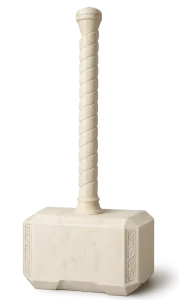
- Pattern Type: Single Candle
- Direction: Bullish (the underdog’s revenge!)
- Alternative Names: Inverted Pin Bar, Hammer Top, Reverse Hammer
- Reliability Score: 0.56 (above average when confirmed)
- Win Rate: Moderate (patience pays off big time)
- Best For: Catching bottoms in beaten-down markets
📋 Pattern Classifications
- Pattern Type: Single Candle Pattern
- Market Direction: Bullish Reversal Signal
- Pattern Category: Reversal Pattern
- Pattern Family: Hammer Family
- Reversal vs Continuation: Potential Reversal Signal
- Best Timeframes: Daily, Weekly Charts
- Volume Dependency: Confirmation volume significantly strengthens signal
- Optimal Prior Trend: Downtrend (the more beaten up, the better)
📊 What Does It Look Like?
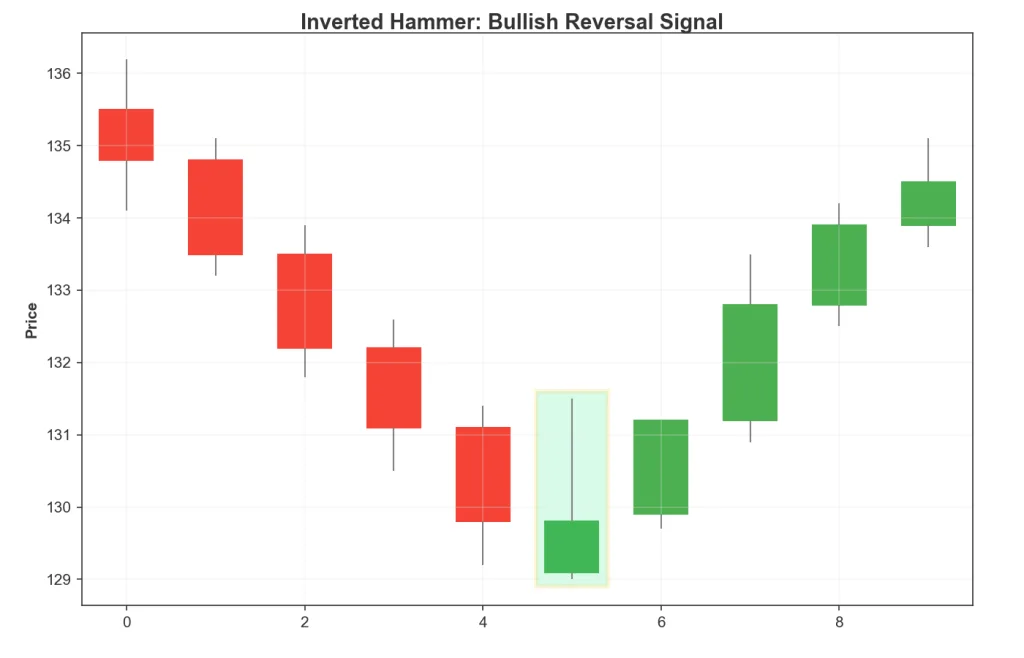
Picture an upside-down hammer ready to strike – that’s your Inverted Hammer! It has a small body near the bottom of the range with a long upper shadow reaching skyward, like buyers testing the waters above. 🔨⬆️
Formation Criteria:
- Small real body positioned at the lower end of the trading range
- Long upper shadow (at least 2-3 times the body length)
- Little to no lower shadow (minimal downside wick)
- Body can be bullish (green) or bearish (red) – color matters less than structure
- Appears after a sustained downtrend or at significant support levels
Visual Key: If it looks like a hammer that’s been flipped upside down, with the “handle” pointing up instead of down, you’ve found it! 🔨
🧠 Market Psychology
The Inverted Hammer tells a story of secret buyer accumulation that unfolds like this:
- Opening: Bears maintain control, keeping prices near recent lows
- The Test: Buyers cautiously probe higher, pushing prices up significantly
- The Rejection: Sellers respond, but without the usual violence
- The Close: Price settles back near the lows, but the message is sent!
What This Really Means:
- Buyers are quietly building positions at lower levels
- There’s hidden buying interest that sellers haven’t fully suppressed
- Bears are losing their aggressive edge
- The long upper shadow shows buyers are willing to pay higher prices
- Market is testing the waters for a potential reversal
📈 Trading Strategy
⚡ Entry Strategy:
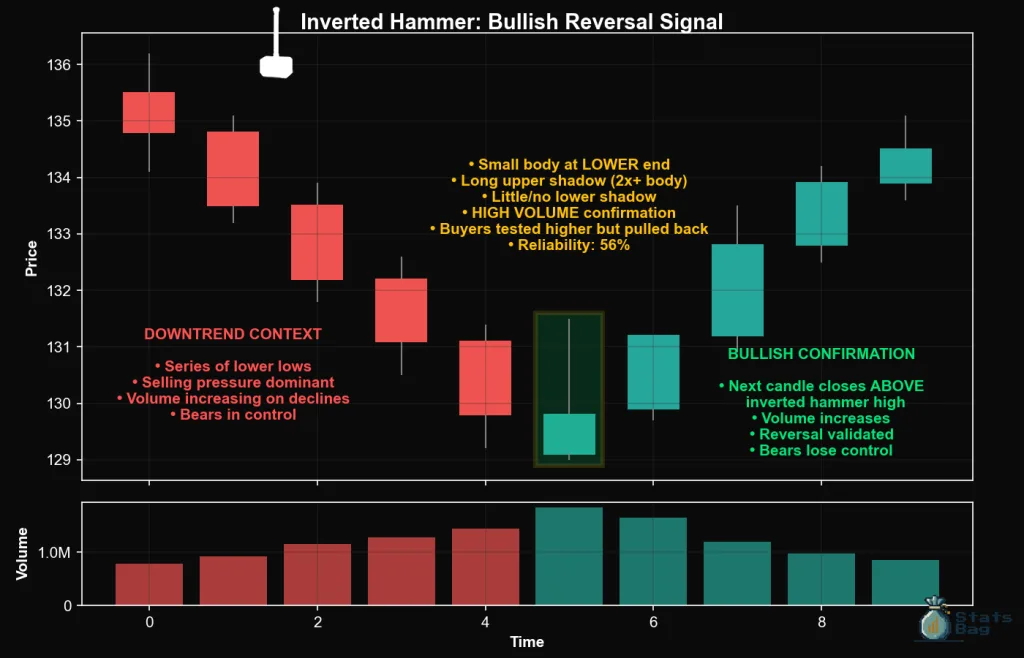
The Inverted Hammer is your “buyers are awakening” signal, but confirmation is absolutely crucial!
- Mandatory Confirmation: NEVER buy on the Inverted Hammer alone
- Next Candle Test: Wait for next session to close above the Inverted Hammer’s body
- Volume Confirmation: Higher volume on confirmation day = stronger signal
🎯 Entry Rules:
- Conservative Entry: Buy when next candle closes above Inverted Hammer high
- Aggressive Entry: Buy on intraday break above Inverted Hammer high with volume
- Scale-In Method: Half position on confirmation, half on successful backtest
- Best Setups: At major support levels or after extended declines
🛑 Stop Loss Placement:
- Standard Stop: Below the Inverted Hammer’s low
- Tight Stop: Below the midpoint of the body for smaller risk
- Support Stop: Below the nearest significant support level
💰 Profit Targets:
- Quick Target: 1:2 risk-reward to first resistance level
- Swing Target: Previous significant high or resistance zone
- Trend Change: Use trailing stops if uptrend develops
⚠️ Common Pitfalls
Don’t Fall Into These Inverted Hammer Traps:
- ❌ Buying Without Confirmation: The pattern alone is NOT enough – wait for validation!
- ❌ Ignoring the Downtrend Context: Inverted Hammers in uptrends are just pullbacks
- ❌ Missing Volume Analysis: Low volume confirmation often leads to failure
- ❌ Poor Location Timing: Mid-downtrend Inverted Hammers are often false signals
- ❌ Oversized Position Risk: Even confirmed patterns can fail – size appropriately
🚨 False Signal Warning: In news-driven markets or during earnings season, Inverted Hammers can be misleading. Check the fundamental backdrop!
🔍 Pro Tips
Level Up Your Inverted Hammer Game:
- 🕐 Perfect Timing: Daily/weekly charts during oversold conditions work best
- 📍 Location Scouting: Major support, 200-day MA, or Fibonacci retracements
- 🔗 Oscillator Combos: RSI below 30 + Inverted Hammer = potential gold mine
- 📊 Multiple Timeframes: Weekly oversold + daily Inverted Hammer = high probability
- 💪 Shadow Analysis: Longer upper shadows show stronger buying interest
Advanced Recognition Tips:
- Perfect Inverted Hammer: Upper shadow 3x body size, minimal lower shadow
- Color Doesn’t Matter: Green or red body both work – focus on structure
- Gap Variations: Even more powerful when gapping down then forming the pattern
📚 Key Takeaways
Remember These Inverted Hammer Essentials:
- 🔨 It’s a potential bullish reversal – but confirmation is mandatory!
- 📍 Location determines strength – support levels and oversold conditions are key
- ⏰ Never buy the pattern alone – always wait for next candle confirmation
- 📊 Volume validates the signal – higher volume = higher conviction
- 📉 Works best after declines – the more beaten up, the more potential
- 🎯 Risk management is essential – even good signals can fail
Bottom Line: The Inverted Hammer is like a secret knock from buyers saying “We’re here, we’re interested, but we need to see some follow-through.” When you get that confirmation, it often marks the beginning of beautiful recoveries! 🔨🚀
Trade patiently, and may your Inverted Hammers build the foundation for profitable reversals! 🏗️✨
📒Full Candlestick Pattern Guide
- 🕐 Learn Candlestick Patterns Fast – Spot Profitable Signals in 5 Minutes
- ✅ Candlestick Patterns That Work – Highest Success Rate Signals
- 🏯 Japanese Candlestick Patterns: History and Psychology
- 🛠️ Candlestick Patterns for Beginners – Your Complete Starter Guide
- 🤿 How to Read Candlestick Patterns – Components Deep Dive
Disclaimer: This is educational content only, based on common investment and trading industry knowledge. This is not financial advice, and we are not financial advisors. Always speak with a professional financial advisor before investing. Use of this content is at your own risk.
